• INICIO
    • ADMINISTRACIÓN
  • INVESTIGACIÓN CIENTÍFICA
    • Información para investigaciones en la Estación Biológica Las Guacamayas
    • Proyecto Índigo
    • Conteos Navideños de Aves del Parque Nacional Laguna del Tigre
    • Aves del Parque Nacional Laguna del Tigre
    • Herpetofauna del Parque Nacional Laguna del Tigre
    • Mamíferos del Parque Nacional Laguna del Tigre
    • Tesis: Análisis de la biodiversidad de fauna vertebrada en la Estación Biológica Las Guacamayas
    • Artículo: Biodiversidad Estación Biológica Las Guacamayas
    • Murciélagos tienderos en la Reserva de la Biosfera Maya.
    • Ictiofauna del Río San Pedro y Río La Pasión
    • ¿La invasión del pez gato acorazado modifica la ecología trófica de los peces nativos? Evidencia a partir del análisis de isótopos estables.
    • Evaluación de Conservación de la herpetofauna del Parque Nacional Laguna del Tigre
  • ECOTURISMO
    • TOUR EXCLUSIVO DE FOTOGRAFÍA DE VIDA SILVESTRE
    • BIRDWATCHING EN LAS GUACAMAYAS
    • TOUR: SITIO ARQUEOLÓGICO WAKÁ-PERÚ
    • TOUR FAMILIAR CONVIVENCIA CON LA NATURALEZA
    • TURISMO ESTUDIANTIL
    • EXPEDICIÓN DE REPTILES Y ANFIBIOS
  • VOLUNTARIADO
    • Fotografía de vida silvestre
    • Fotografía de Herpetofauna
    • Fotografía de aves endémicas regionales
    • Fotografía de Artrópodos
  • SERVICIOS
    • TALLERES DE CAPACITACION Y EVENTOS
    • OPCIONES PARA VIAJAR A LA ESTACIÓN BIOLÓGICA LAS GUACAMAYAS
    • HABITACIONES PARA TURISMO Y CIENTIFICOS
  • GALERÍA
    • IMAGENES
    • VIDEO
  • PROYECTOS
    • Las aves contribuyendo a la educación..
    • MONITOREO BIOLÓGICO PARTICIPATIVO
  • BLOG
    • NOTICIAS Y EVENTOS
    • EXPEDICIONES
    • IMÁGENES DESTACADAS
Demo
Página de Inicio Página de Inicio » Aves » Lesser Yellowlegs
Volver a la vista de categoría

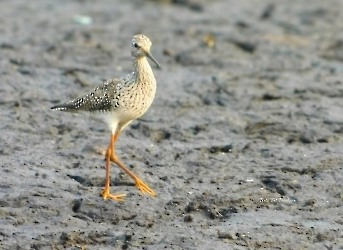
Lesser Yellowlegs

1042 1129 1166 1044 1131 1132 1085 1134 1133 1046 1047 1084 1055 1088 1090 1086 1091 1094 1095 1083 1096 1092 1093 1099 1097 1125 1098 1121 1128 1122 1135 1124 1123 1127 1126 1136 1138 1139 1106 1112 1117 1113 1151 1079 1390 1006 1148 1161 1080 1114 1150 1105 1110 1115 1162 1082 1153 1145 1103 1104 1152 1108 1081 1149 1118 1142 1140 1144 1141 1146 1143 1147 1154 1155 1156 1169 1157 1160 1159 1045 1165 1172 1171 1181 1174 1163 1173 1120
Lesser Yellowlegs
Inicio Ver tamaño completo
[Por favor, active JavaScript para poder ver las diapositivas]
Anterior Anterior
Fotografía 88 de 183  
Siguiente Siguiente
Fotografía 90 de 183  
1010 1170 1167 1168 1175 1176 1433 1177 1178 1179 1180 1184 1185 1186 1187 1188 1189 1190 1191 1192 1431 1193 1194 1195 1196 1197 1199 1200 1201 1202 1203 1204 1041 1119 1205 1206 1207 1208 1209 1210 1211 1212 1213 1198 1214 1215 1216 1217 1218 1219 1227 1385 1058 1386 1387 1391 1392 1393 1395 1396 1397 1398 1399 1400 1401 1416 1402 1403 1394 1404 1405 1406 1407 1408 1409 1410 1411 1412 1415 1413 1414 1423 1424 1425 1434 1435 1436 1437 1438 1439 1440 1441 1442 1443
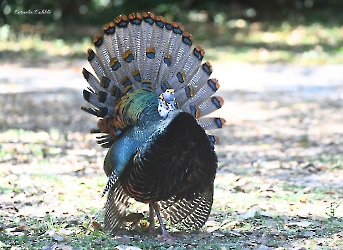
  • Pavo ocelado
  • Cyanocorax yucatanicus
  • Gray-throated Chat
  • Black Cat Bird
  • Rose troated Tanager
  • Yuctan_woodpecker
  • Guacamaya-roja
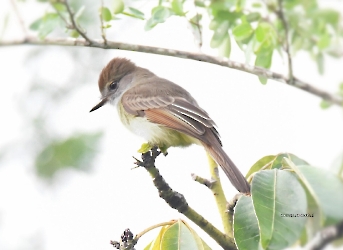
  • Yucatan Flycatcher
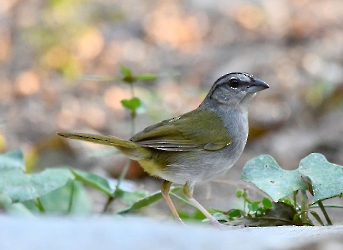
  • Arremonops chloronotus
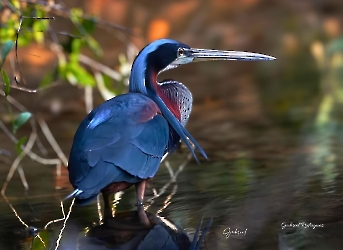
  • Agami-heron
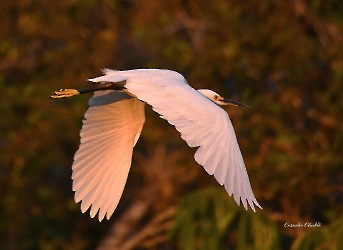
  • Snowy Egret
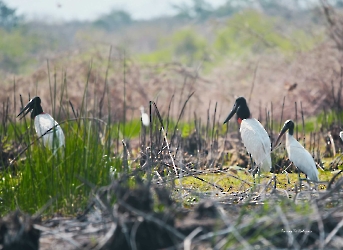
  • Jabiru
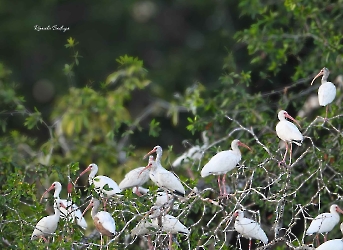
  • Eudocimus albus-White Ibis
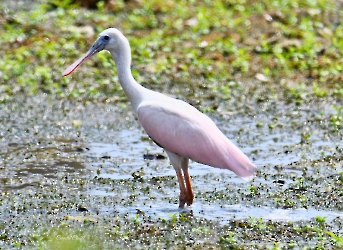
  • Platalea ajaja
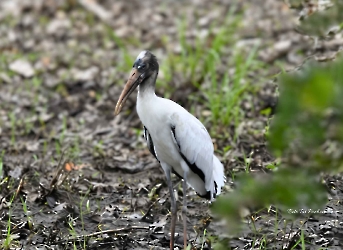
  • Mycteria  americana
  • Bare-throated Tiger-Heron
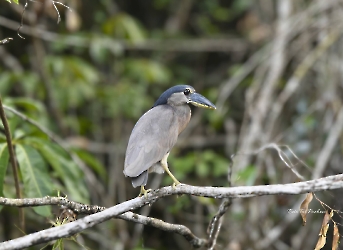
  • Cochlearius cochlearius
  • Nyctanassa violacea
  • Nycticorax nycticorax-
  • Ardea herodias
  • Egretta caerulea
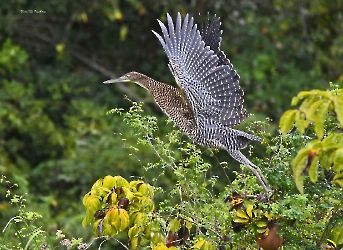
  • Botaurus pinnatus
  • Botaurus exilis exilis
  • Ardea alba
  • Egretta thula
  • Heliothryx barroti
  • Butorides virescens
  • Phaethornis longirostris
  • Phaethornis-striigularis
  • Florisuga mellivora
  • Archilochus colubris
  • Pampa curvipennis pampa
  • Anthracothorax prevostii
  • Lophornis helenae
  • Chlorestes candida
  • Canivets Emerald
  • Scaly-breasted Hummingbird
  • Rufous-tailed Hummingbird
  • Spizaetus ornatus
  • Spizaetus melanoleucus
  • Buteogallus urubitinga
  • Geranospiza caerulescens
  • Gray-headed Kite
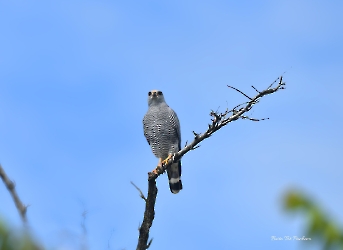
  • Gray Hawk
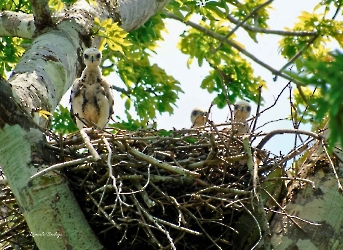
  • Gray Hawk-bebes
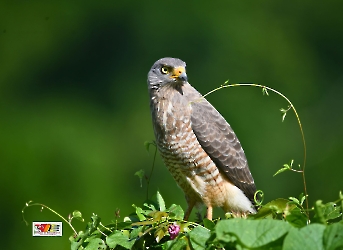
  • Rupornis_magnirostris
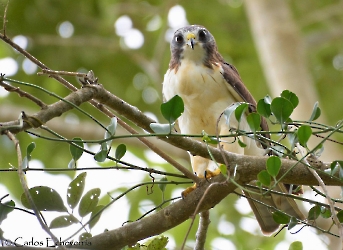
  • Short-tailed Hawk
  • Collared Forest-Falcon
  • Micrastur ruficollis
  • Astur bicolor bicolor
  • Double-toothed Kite
  • Pseudastur albicollis
  • Busarellus nigricollis
  • Falco femoralis
  • Bat falcon
  • Falco deiroleucus
  • Laughing Falcon
  • Rey zope
  • Cathartes burrovianus
  • Pandion haliaetus
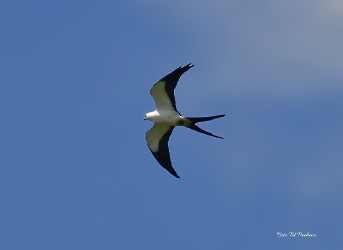
  • Swallow-tailed Kite
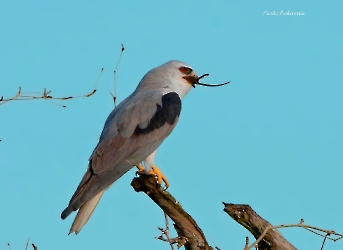
  • Elanus leucurus
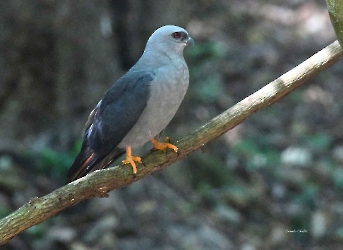
  • Ictinia plumbea
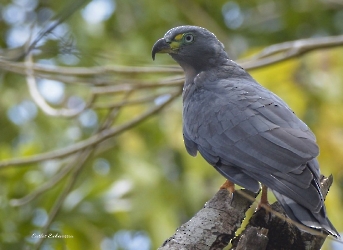
  • Hook-billed Kite
  • Rostrhamus sociabilis
  • Spectacled Owl
  • Black-and-white Owl
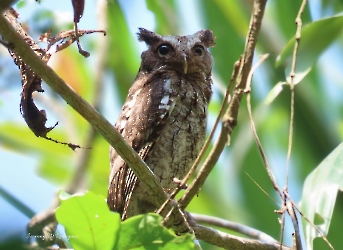
  • Mottled Owl
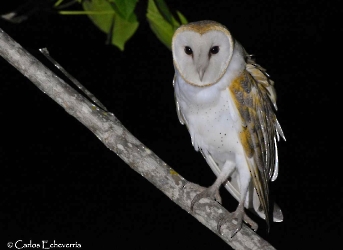
  • American Barn Owl
  • Central American Pygmy-Owl
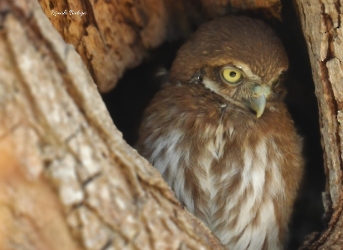
  • Ferruginous Pygmy-Owl
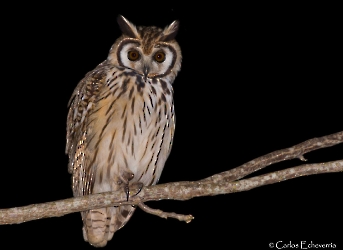
  • Striped Owl
  • Pale-billed Woodpecker
  • Lineated Woodpecker
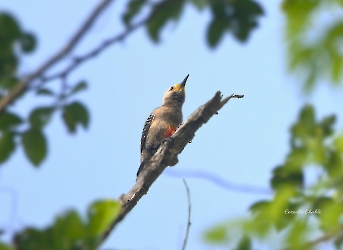
  • Golden-fronted Woodpecker
  • Black-cheeked Woodpecker
  • Ladder-backed Woodpecker
  • Chestnut-colored Woodpecker
  • Smoky-brown Woodpecker
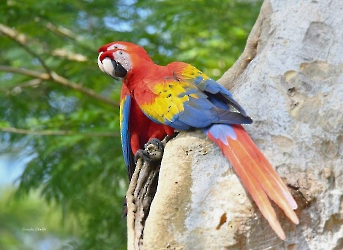
  • Scarlet Macaw
  • Yellow-lored Amazon
  • Mealy Amazon
  • Red-lored Amazon
  • White-fronted Amazon
  • White-crowned Parrot
  • Brown-hooded Parrot
  • Olive-throated Parakeet
  • Dromococcyx phasianellus
  • Lesser Yellowlegs
  • Grassland Yellow-Finch
  • Northern Potoo
  • Northern Cardinal
  • Great Tinamou
  • Ringed Kingfisher
  • Amazon Kingfisher
  • Belted Kingfisher
  • Green Kingfisher
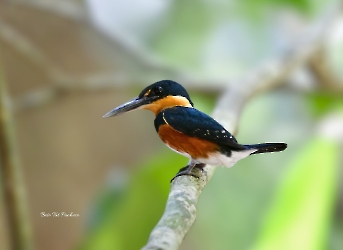
  • American Pygmy Kingfisher
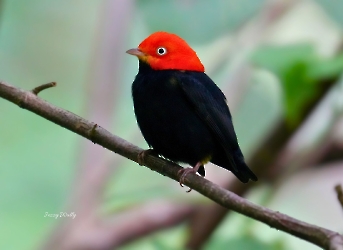
  • Red-capped Manakin
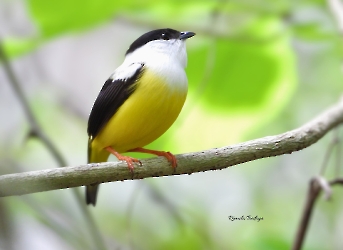
  • White-collared Manakin
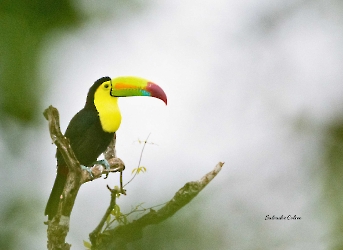
  • Keel-billed Toucan
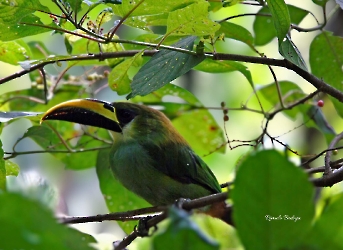
  • Northern Emerald-Toucanet
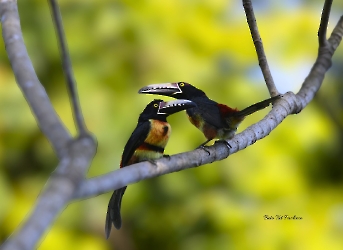
  • Collared Aracari
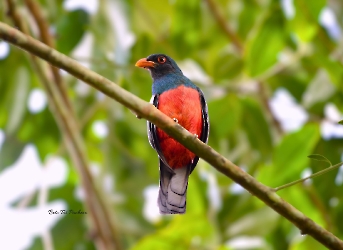
  • Slaty-tailed Trogon
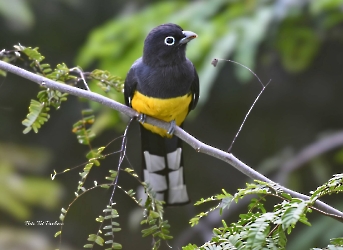
  • Black-headed Trogon
  • Gartered Violaceous Trogon
  • Collared Trogon
  • Lessons Motmot
  • Tody Motmot
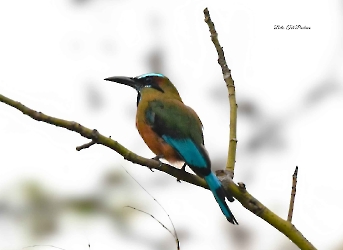
  • Turquoise-browed Motmot
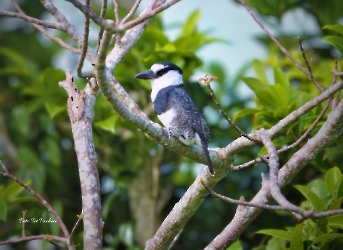
  • White-necked Puffbird
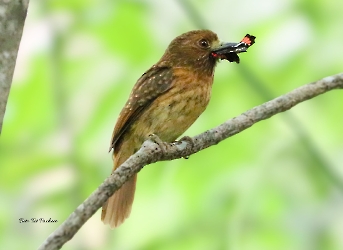
  • White-whiskered Puffbird
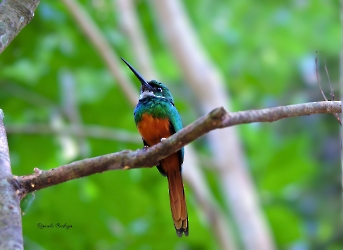
  • Rufous-tailed Jacamar
  • Great Antshrike
  • Barred Antshrike
  • Ruddy-tailed Flycatcher
  • Northern Schiffornis
  • Spotted Sandpiper
  • Spotted Rail
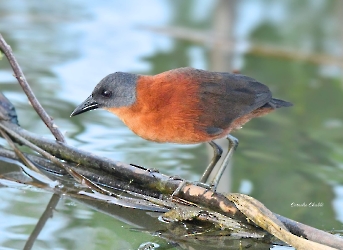
  • Russet-naped Wood-Rail
  • Common Gallinule
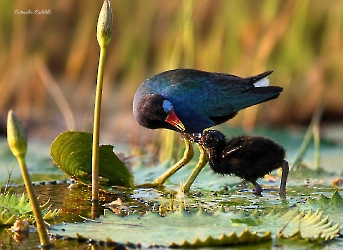
  • Purple Gallinulle
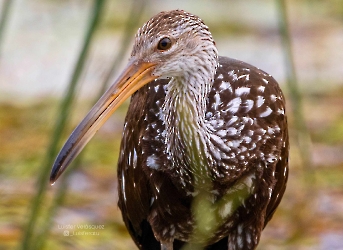
  • Aramus guarauna
  • Ruddy Crake
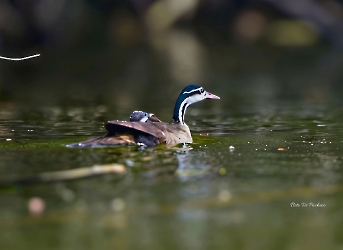
  • Sungrebe
  • Black-necked Stilt
  • Northern Jacana
  • Solitary Sandpiper
  • Lesser Yellowlegs
  • Greater Yellowlegs
  • Wilsons Snipe
  • Willet
  • Scaly-throated Leaftosser
  • Tawny-winged Woodcreeper
  • Ruddy Woodcreeper
  • Northern Barred-Woodcreeper
  • Strong-billed Woodcreeper
  • Ivory-billed Woodcreeper
  • Streak-headed Woodcreeper
  • Crax ruba
  • Tawny-Crowned Greenlet
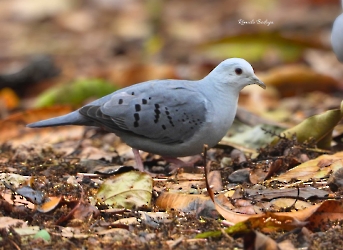
  • Blue Ground-Dove
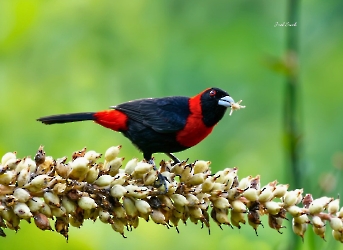
  • Crimson-collared Tanager
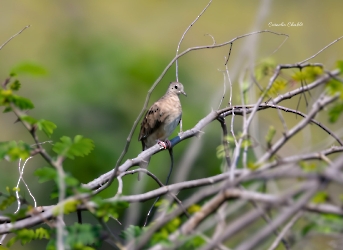
  • Plain-breasted Ground Dove
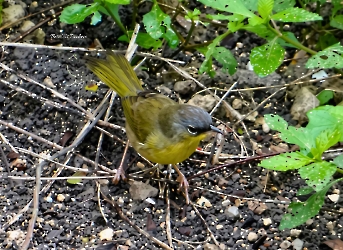
  • Gray crowned Yellowthroat
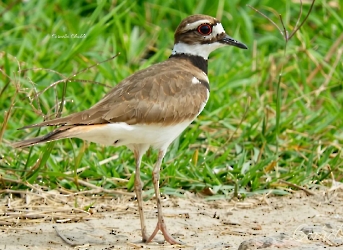
  • Killdeer
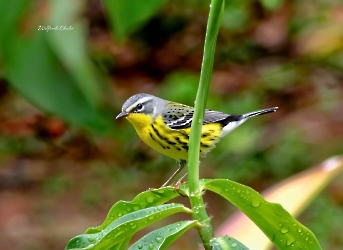
  • Magnolia Warbler
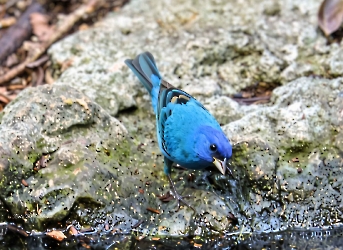
  • Indigo Bunting
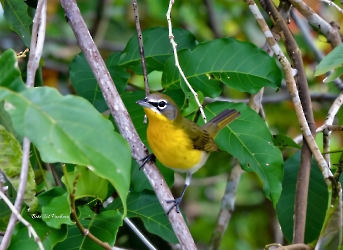
  • Yellow-breasted Chat
  • Orchard Oriole
  • Cerulean Warbler
  • Ovenbird
  • Worm-eating Warbler
  • Louisiana Waterthrush
  • Wood Thrush
  • Northern Waterthrush
  • Black-and-white Warbler
  • Blue Winged Warbler
  • Prothonotary Warbler
  • Kentucky Warbler
  • Common Yellowthroat
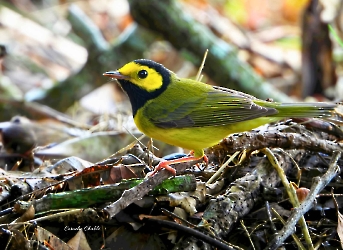
  • Hooded Warbler
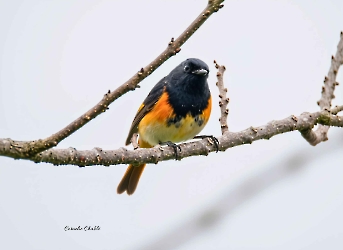
  • American Redstart
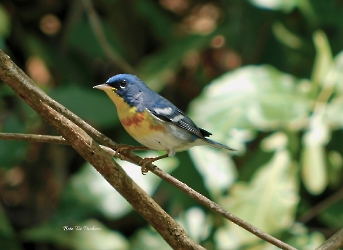
  • Northern Parula
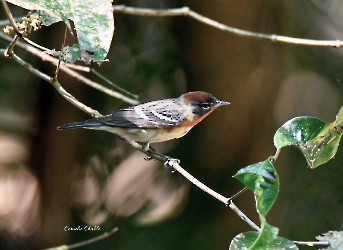
  • Bay-breasted Warbler
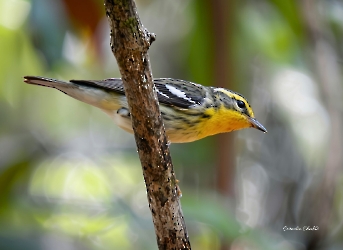
  • Blackburnian Warbler
  • Northern Yellow Warbler
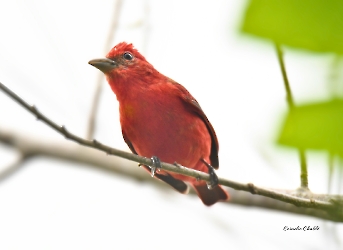
  • Summer Tanager
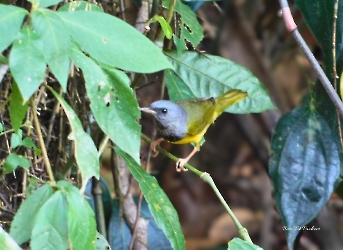
  • Mourning Warbler
  • Black-throated Blue Warbler
  • Spot-tailed Nightjar
  • Lesser Nighthawk
  • Common Pauraque
  • Lovely Cotinga
  • Lovely Cotinga-hembra
  • Tropical Royal Flycatcher
  • Northern Bentbill
  • Slate-headed Tody Flycatcher
  • Common Tody-Flycatcher
  • Eye-ringed Flatbill
  • Yellow-olive Flatbill
  • Yellow-bellied Tyrannulet
  • Greenish Elaenia

Información de la imagen

Descripción

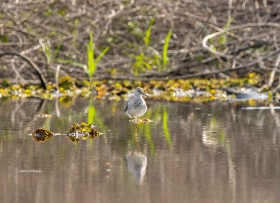
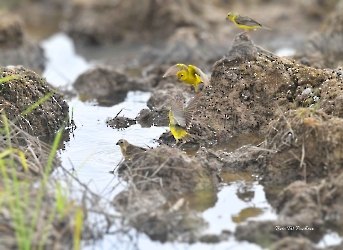
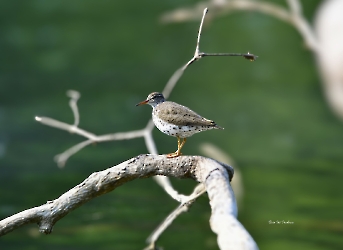
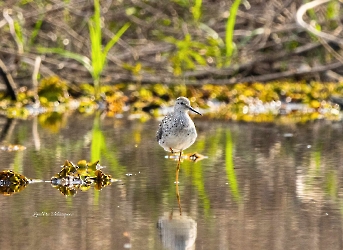
Lesser Yellowlegs (Tringa flavipes): un migrante clave en los humedales del Parque Nacional Laguna del Tigre

El Lesser Yellowlegs (Tringa flavipes) es una especie limícola migratoria de la familia Scolopacidae que realiza desplazamientos estacionales de larga distancia entre sus zonas de reproducción en América del Norte y sus áreas de invernación en América Central y Sudamérica. Su morfología distintiva—particularmente sus patas largas de color amarillo brillante y su cuerpo esbelto—lo convierte en una figura fácilmente reconocible en humedales, bordes de cuerpos de agua y sabanas inundables.

Durante las migraciones boreales y australes, el Parque Nacional Laguna del Tigre, ubicado en el norte de Guatemala, representa un sitio estratégico dentro de la Ruta Migratoria Mesoamericana, un corredor biológico de escala continental. Este parque ofrece una combinación de hábitats esenciales, incluyendo humedales estacionales, bosques tropicales y pastizales anegados, que proporcionan alimento, refugio y descanso crítico para numerosas especies migratorias, entre ellas T. flavipes.

La capacidad del parque para mantener la funcionalidad ecológica de estas rutas migratorias ha sido reconocida a nivel internacional, lo que posiciona a Laguna del Tigre como un sitio prioritario para la conservación de aves migratorias y como un eslabón clave en la conectividad ecológica del continente americano.

En este contexto, la labor de la Estación Biológica Las Guacamayas es esencial. A través de programas de investigación científica aplicada, monitoreo poblacional, educación ambiental y gestión participativa del territorio, la estación fortalece la conservación efectiva del área. Estas acciones, alineadas con enfoques de turismo sostenible y participación comunitaria, contribuyen no solo a la protección de especies como el Lesser Yellowlegs, sino también al fortalecimiento de la resiliencia socioecológica en la región.

Downloads
318
 
Número total de visitas a todas las imágenes: 38,513
Volver a la vista de categoría

 Loguito  whatsapp Las Guacamayasyoutube Las Guacamayas Logo      flickr Estacion Biológica Las Guacamayas   tripadvisor Las Guacamayas Estacin Biolgica Las Guacamayas Google Maps  24 logo squareebird logo